HOT PRODUCT | LOW STOCK
Advances in animal science and zoology
Advances in animal science and zoology
 9,647 Reviews
🎁 Black Friday Exclusive — Get -50% Instantly!
🚚 Free shipping on all orders
💯 [30]-day satisfaction guarantee
Couldn't load pickup availability
Order now and get it within 2 minutes via instant download.
The Central Role of Domesticated Animals
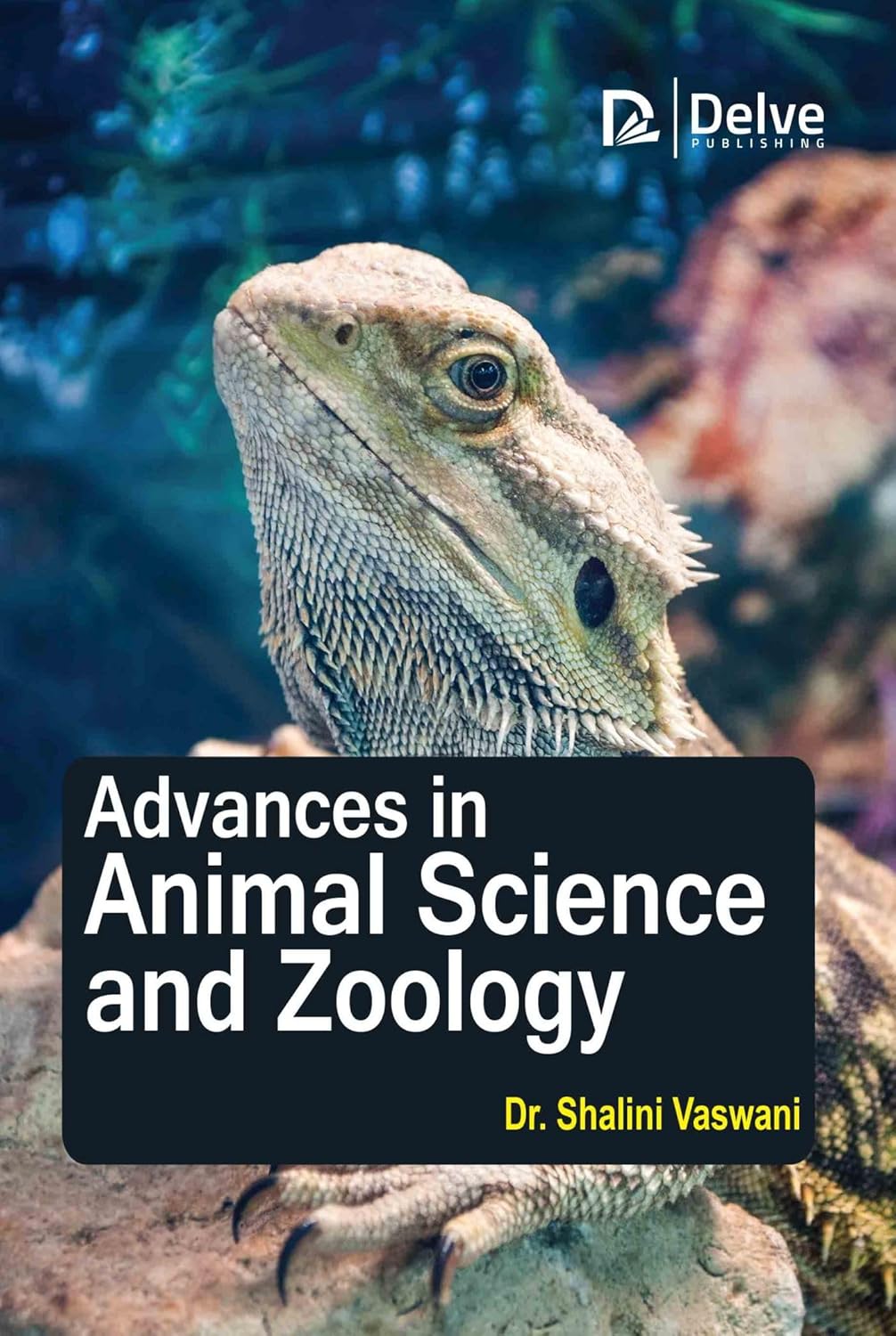
This volume provides an overview of the profound importance of animals to human existence, culture, and civilization, exploring the fields of Animal Science and Zoology. Animals are central to our daily lives, serving uses across disciplines such as sports, entertainment, manufacturing, companionship, and scientific research, in addition to providing food.
Key Concepts
- Foundation of Civilization: Many scholars believe that the domestication of animals was the catalyst for human civilization. The shift to a more sedentary lifestyle, enabled by a secure supply of food and clothing from livestock, led to a rise in population and the subdivision of labor within communities.
- Animal Science & Zoology: Animal Science focuses on the biological science and management of livestock (including cattle, horses, sheep, pigs, and fowl), which are vital to our livelihood. Zoology is the broader scientific research of the structure, physiology, classification, distribution, and behavior of all animals.
- Livestock and Culture: Agriculture and its livestock have become a key aspect of our culture, influencing our impact on the environment and shaping the direct or indirect effects of our daily activities.
- Definition of Domesticated Animals: This volume introduces domesticated animals as those that are useful in the home and are easily raised and cared for by humans. Common examples include horses, cattle, dogs, sheep, buffaloes, and poultry.
Target Audience: Students, researchers, and general readers interested in animal science, zoology, agricultural history, and the human-animal bond.